Archives
- 2026-09
- 2026-08
- 2026-07
- 2026-06
- 2026-05
- 2026-04
- 2026-03
- 2026-02
- 2026-01
- 2025-12
- 2025-11
- 2025-10
- 2025-09
- 2025-03
- 2025-02
- 2025-01
- 2024-12
- 2024-11
- 2024-10
- 2024-09
- 2024-08
- 2024-07
- 2024-06
- 2024-05
- 2024-04
- 2024-03
- 2024-02
- 2024-01
- 2023-12
- 2023-11
- 2023-10
- 2023-09
- 2023-08
- 2023-07
- 2023-06
- 2023-05
- 2023-04
- 2023-03
- 2023-02
- 2023-01
- 2022-12
- 2022-11
- 2022-10
- 2022-09
- 2022-08
- 2022-07
- 2022-06
- 2022-05
- 2022-04
- 2022-03
- 2022-02
- 2022-01
-
According to average serum fat content
2023-09-05
According to average serum fat content of 6.9 g/L (Phillips et al., 1989) and serum dioxin level from individuals exposed to dioxins as the result of accidents in Seveso (Needham et al., 1997), Taiwan (Guo et al., 2004) and Vietnam (The Tai et al., 2011) the median serum concentration of TCDD would
-
It has been reported that HT
2023-09-05

It has been reported that 5-HT2R involves in type 2 diabetes mellitus and 5-HT-induced IR [22,23]. The present study also demonstrated that it is 5-HT2R rather than other 5-HT receptors, including 5-HT1BR and 5-HT7R, in the liver that mediates HFD-induced abnormality of hepatic lipid metabolism, and
-
It has been reported that HT R
2023-09-04
It has been reported that 5-HT2R involves in type 2 diabetes mellitus and 5-HT-induced IR [22,23]. The present study also demonstrated that it is 5-HT2R rather than other 5-HT receptors, including 5-HT1BR and 5-HT7R, in the liver that mediates HFD-induced abnormality of hepatic lipid metabolism, and
-
Despite these conflicting data about COX ER correlations a
2023-09-04
Despite these conflicting data about COX-2/ER correlations, a large body of evidence supports that elevated COX-2 expression in breast cancer is a constant feature of high stage disease and a predictor of worse outcome. Upregulation of COX-2 protein has been identified in approximately 40% of cases
-
br Activity and expression of aromatase
2023-09-04
Activity and expression of aromatase in the hippocampus The brain, like the adrenals, gonads and the placenta, is a steroidogenic organ. This paradigm emerged from studies carried out as early as the 1980s by Baulieu and co-workers; these studies showed that steroids such as pregnenolone and dehy
-
br Declarations Funding None for
2023-09-04
Declarations Funding: None for the paper in question. Competing interests: Florent Morio has received speaker's fees from Gilead, Basilea, and MSD and travel grants from Gilead, MSD, Pfizer, Basilea, and Astellas. Ethical approval: Not relevant for the paper in question. Introduction Lactic
-
Several mechanisms of Cd induced
2023-09-04
Several mechanisms of Cd-induced carcinogenicity have been reported and are comprehensively summarized by Hartwig [32]. As early as 1980, basic science studies supported a role for endocrine disruption of AR by Cd. Donovan et al. [33], using extracts of mouse prostate cytosol, showed Cd to be the mo
-
Kuda et al reported that the activity of aminopeptidase
2023-09-04
Kuda et al. (1997) reported that the activity of aminopeptidase A (ApA) but not aminopeptidase B (ApB) nor aminopeptidase N (ApN) was decreased in plasma from patients with Alzheimer's disease (AD). More recently Puertas et al. (2013) reported that the activities of plasma ApA, ApB, ApN and IRAP wer
-
Both AD and dyslipidemias are global public health
2023-09-04
Both AD and dyslipidemias are global public health problems, and an increase in their incidence over the next decades is expected. Among many triggering elements, the increase in life expectancy is one of the main risk factors associated with the increase in the incidence of AD. Meanwhile, dyslipid
-
The finding that OCT is
2023-09-04
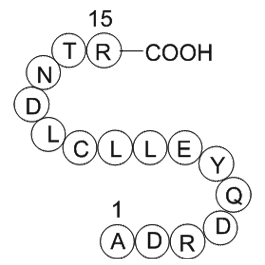
The finding that OCT3 is expressed in the nucleus accumbens (Gasser et al., 2009) suggests that inhibition of this transporter may underlie previously described effects of glucocorticoids on extracellular DA concentrations and indicates that DA clearance in this region is not mediated exclusively by
-
APN accounts for of total plasma proteins
2023-09-04
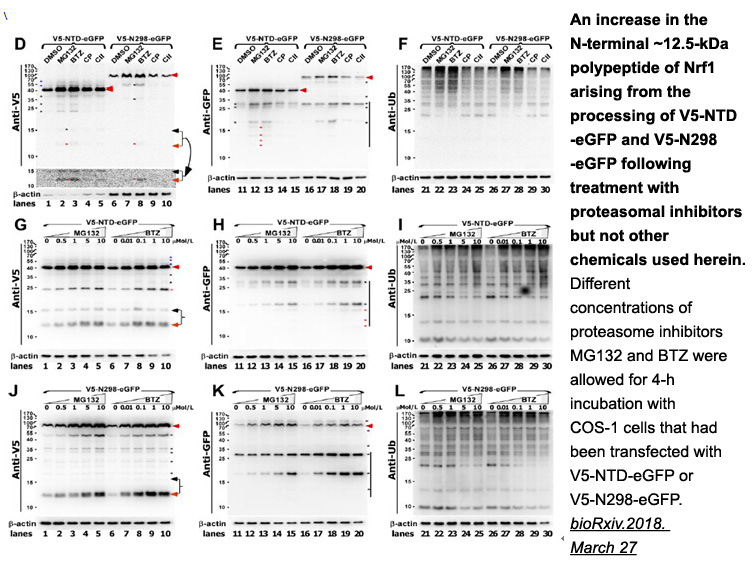
APN accounts for 0.01% of total plasma proteins in humans; this proportion increases with age to a small extent (Barb et al., 2007). Normal APN levels in the circulation range 3–30μg/mL (Aprahamian and Sam, 2011). APN levels are lower in men than women due to the presence of testosterone and even mo
-
Beside activation of adenosine receptors A a A a
2023-09-04
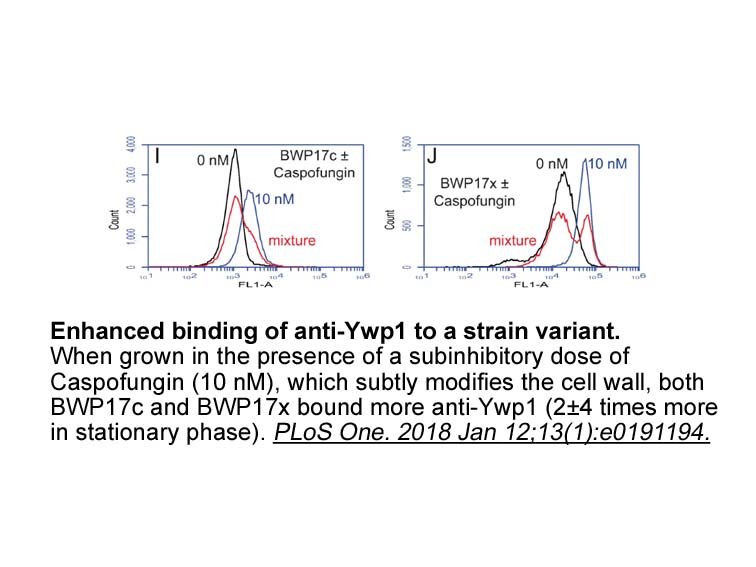
Beside activation of adenosine receptors (A2a.1, A2a.2, A2b) by FSK treatment, the expression of adenosine receptors was also upregulated, when embryos were exposed to inhibitors (SU5416 and DAPT) alone and also combined with FSK. Our data imply that adenosine receptor was associated with a positive
-
br AMPK structure and mechanism of action AMPK is a
2023-09-04
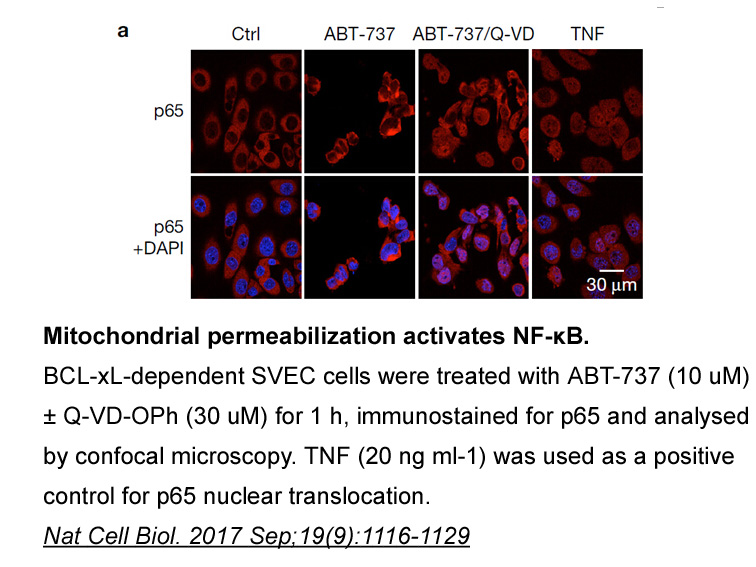
AMPK: structure and mechanism of action AMPK is a metabolic master switch that regulates downstream signals based on shifts in the surrounding energy reservoir [6]. It is expressed in a number of tissues, including the kidney, the liver, the skeletal muscle, the adipose tissue, and the hypothalam
-
SB742457 synthesis br STAR Methods br Author Contributions b
2023-09-04
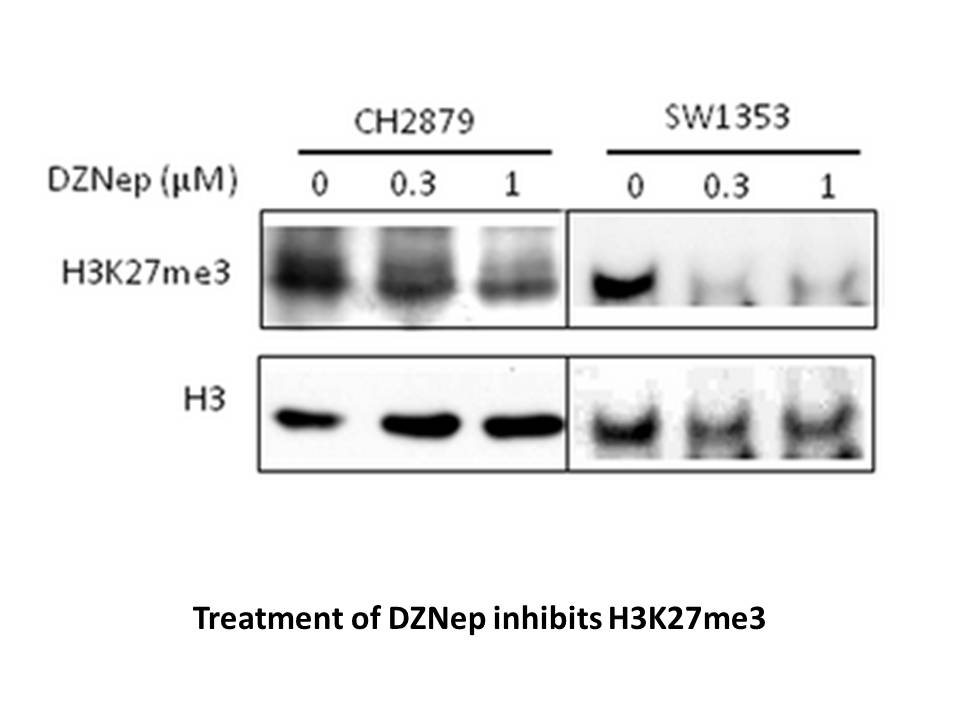
STAR★Methods Author Contributions Acknowledgments We thank Antony M. Dean for initial discussions and encouragement concerning ancestral sequence reconstruction. We also thank Natalie K. Goto for constructive criticism concerning the manuscript, Steven M. Sine for providing SB742457 synthes
-
The present study showed for the
2023-09-04
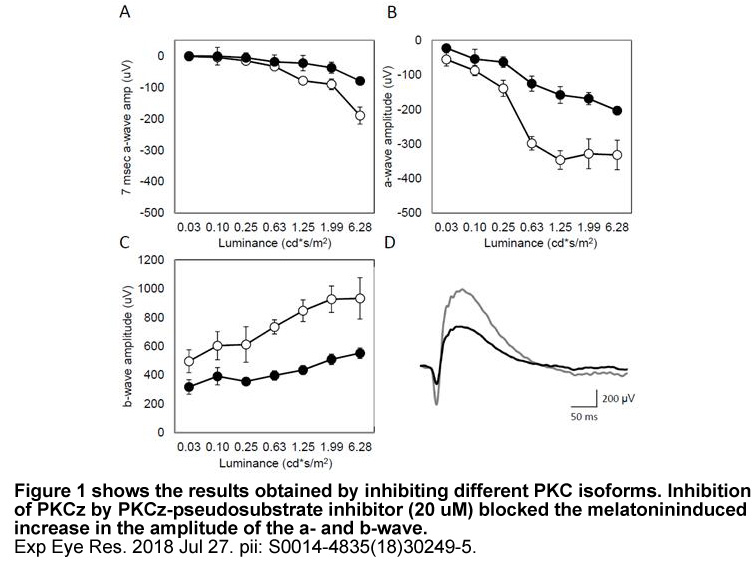
The present study showed, for the first time, that hirsutine, hirsuteine, rhynchophylline, isorhynchophylline, corynoxeine, and isocorynoxeine in yokukansan can inhibit the 5-HT3 receptor current. These data indicate that part of the effect of yokukansan against the behavioral and psychological symp
8443 records 316/563 page Previous Next First page 上5页 316317318319320 下5页 Last page